Trustworthy AI
AI experience is state design
The prompt field is rarely the hard part. Draft, edited, verified, saved, restricted, and failed states determine whether people can understand and trust the result.
Read the AI Agents case study

Product design notes
Three practical observations from designing AI, data, reporting, and infrastructure products. Each note links to the case study behind it.
Trustworthy AI
The prompt field is rarely the hard part. Draft, edited, verified, saved, restricted, and failed states determine whether people can understand and trust the result.
Read the AI Agents case studyEnterprise UX
Permissions, compatibility, and inheritance rules do not need to dominate the interface. The best systems reveal a rule at the moment it helps someone make a safe choice.
See the Global Filters systemSystems thinking
A tidy example can make almost any enterprise pattern look successful. Testing with realistic source, field, role, and dependency counts exposes the decisions that matter.
Explore the Unified Data modelWritings on Medium
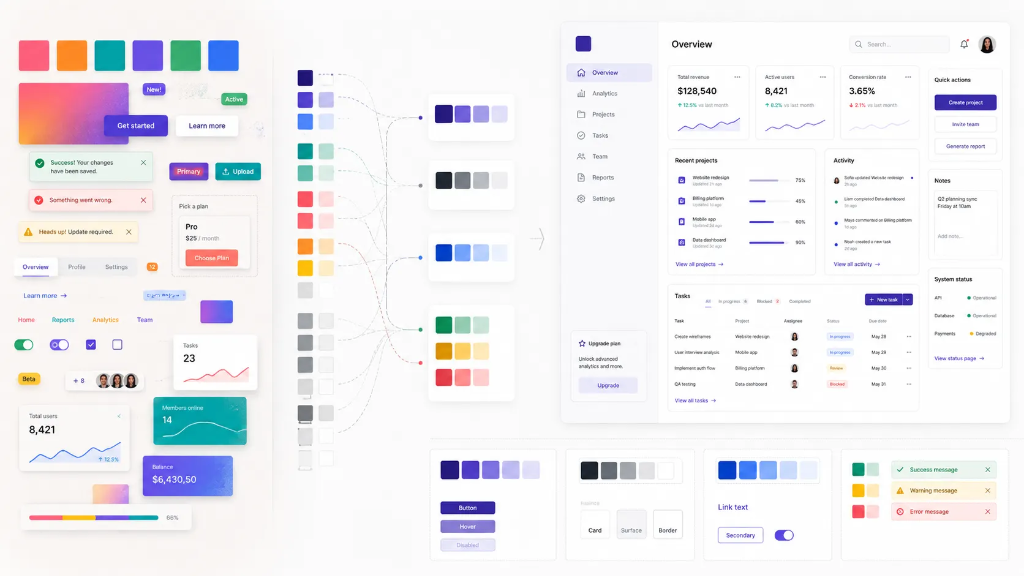
Why basic AI color generators fail in high-density SaaS interfaces and how proper semantic token architecture scales across enterprise platforms.
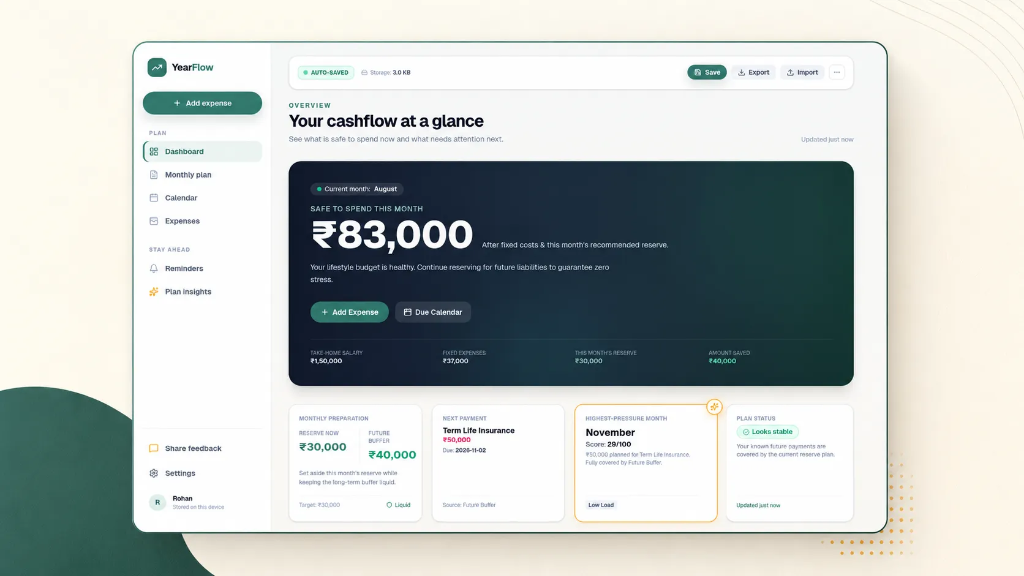
Designing a salary-first reserve model that smooths 12-month cash flow and eliminates surprise annual expense shortfalls.
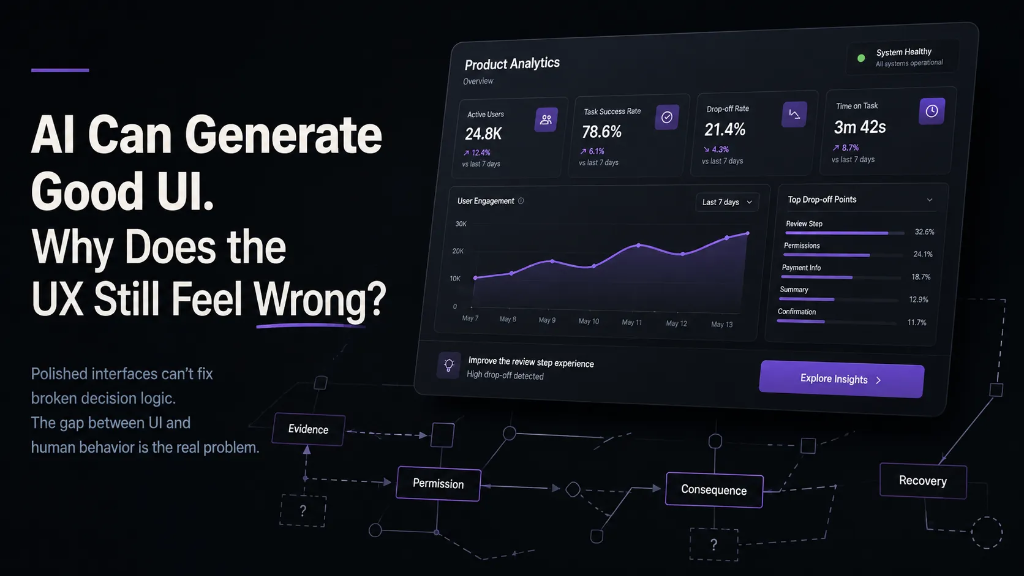
Why pixel-perfect AI generated mockups crumble under real user interactions, state transitions, and edge-case validation.